



Content Head and Video Creator, FirstLease
Commercial & Professional Interior Design: Challenges & Tips
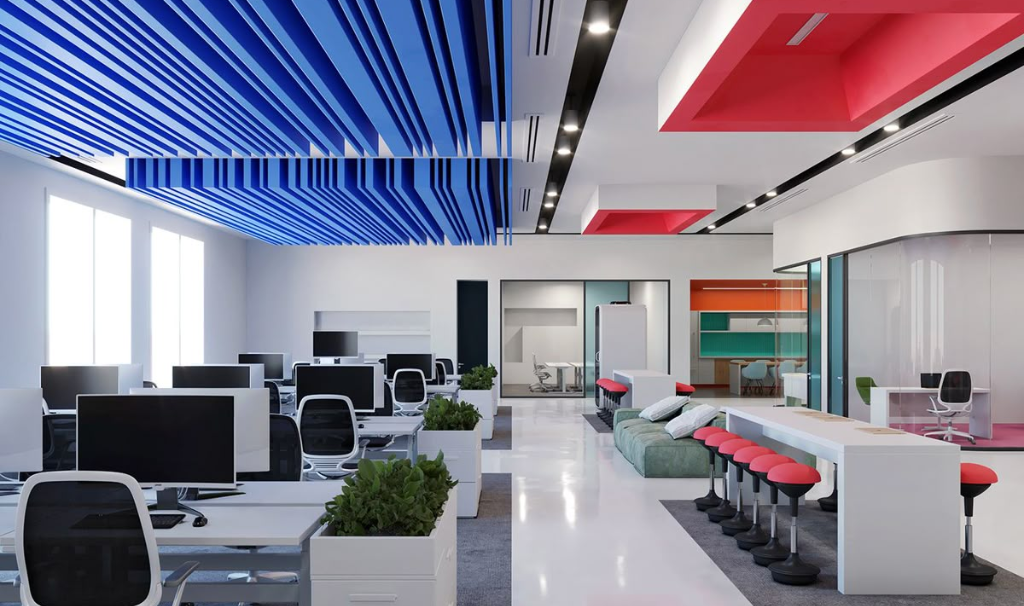
Interior design for commercial spaces is far more than just making a workspace visually appealing. It tells a story, communicates a brand’s identity, and creates experiences that leave a lasting impression on customers and employees. Similarly, interior design for professional spaces - such as offices, clinics, and showrooms - requires careful planning to balance aesthetics, functionality, and brand representation.
In today’s competitive market, businesses face multiple challenges in commercial interior design, from budget constraints to keeping up with evolving trends. Successfully navigating these challenges requires a strategic approach that integrates modern design tools, sustainability, and an understanding of customer behavior.
Understanding Brand Identity
A key aspect of interior design for professional spaces is capturing the essence of a brand. Every element - from color schemes and textures to furniture and lighting - should communicate the brand’s values, mission, and personality.
Ignoring this is a mistake that interior designers cannot afford to make, as misaligned designs can confuse visitors, weaken the brand, and reduce customer engagement. A space that reflects brand identity creates an emotional connection, improves customer perception, and strengthens employee pride.
Key Challenges in Commercial Interior Design
1. Translating Brand Identity into Physical Space
Translating a brand’s essence into a tangible space is one of the most challenging aspects of interior design for commercial spaces. Every corner, display, and furniture selection must feel intentional. Designers must balance visual consistency with uniqueness to create a space that feels authentic and memorable.
2. Optimizing Layout and Circulation
Even the most beautiful space is ineffective if navigation is confusing. Proper circulation ensures smooth movement for employees and visitors. Thoughtful layouts improve workflow, reduce congestion, and enhance the overall customer experience.
3. Integrating Sustainable Practices
Modern businesses increasingly demand sustainable practices in interior design. Eco-friendly materials, energy-efficient lighting, and modular or recyclable furniture are now essential. Sustainable design not only benefits the environment but also enhances brand reputation, signaling responsibility, and forward-thinking values.
4. Managing Budgets
Budget constraints is one of the most common challenges in commercial interior design. Designers must deliver impactful spaces without overspending, often prioritizing elements that maximize functionality and visual appeal. Creative solutions, such as versatile furniture and cost-effective materials, are key.
5. Keeping Up with Trends
Consumer expectations and market trends change rapidly. Commercial spaces must be flexible and adaptable to remain relevant. Modular furniture, interchangeable décor, and spaces designed for future modifications ensure longevity and modern appeal.
6. Choosing the Right Tools
Using the right tools in interior design for commercial spaces - such as 3D modeling software, CAD programs, and virtual walkthroughs - helps designers plan layouts, lighting, and furniture efficiently. These tools allow businesses to visualize their spaces before implementation, saving time and costs.
How Design Influences Customer Behavior
The interior design of a professional space directly impacts visitor perception and behavior. Strategic use of colors, textures, lighting, and layouts guides attention, enhances engagement, and can even influence purchasing decisions.
For instance:
1.Open, bright layouts encourage exploration.
2.Warm lighting and soft textures make spaces inviting and comfortable.
3.Interactive or sensory elements - like music, aromas, or digital screens create immersive experiences.
Aligning design with brand identity ensures the space becomes an extension of the company, helping convert visitors into loyal customers.
Preparing for Future Challenges
Interior design for commercial spaces must be future ready. Flexible layouts, modular furniture, and multi-purpose areas allow businesses to adapt to changing needs without major renovations. Designers who anticipate future requirements create spaces that remain functional, stylish, and relevant over time.
Conclusion
Designing commercial and professional spaces is a delicate balance of art, strategy, and functionality. From translating brand identity to optimizing layouts, incorporating sustainable practices into interior design, managing budgets, and staying ahead of trends, the process is complex but rewarding. Avoiding a mistake that interior designers cannot afford to make like neglecting brand identity is crucial for success.
A well-executed design enhances customer experience, strengthens brand presence, and supports employee productivity. For businesses seeking expert guidance in interior design for commercial spaces, FirstLease provides end-to-end support to transform these challenges into innovative, high-impact solutions.
1. What is interior design for commercial spaces?
It’s the art of designing offices, retail stores, or showrooms to reflect a brand’s identity, improve workflow, and create a positive customer experience.
2. How does interior design for professional spaces benefit businesses?
A well-designed interior design of a professional space boosts employee productivity, enhances visitor engagement, and strengthens brand perception.
3. What tools are used in interior design for commercial spaces?
Designers use 3D modeling software, CAD programs, and virtual walkthroughs as a tool in interior design for commercial spaces to plan layouts and materials efficiently.
4. How can sustainable practices be integrated into interior design?
Using recycled materials, energy-efficient lighting, and modular furniture are examples of sustainable practices in interior design that reduce environmental impact while maintaining aesthetics.
5. What common mistakes should designers avoid?
Ignoring brand identity, poor circulation planning, or neglecting client needs is a mistake that interior designers cannot afford to make, as it can harm brand presence and reduce customer satisfaction.